Lean Thinking and Sustainability, two close cousins.- The Matcha Initiative
Date: 30 Sept 2025
Excellent post by James Yin, MSID-AD.
Sustainability does incorporate LEAN in its processes, and in fact, the first “R” is “Reduce.” The 3 Rs are there in that order: Reduce, Reuse, and Recycle.
Of course, there are other Rs like Refuse and Regenerate, etc., but lest we get too carried away, it’s better to stick to the basics, i.e., keep it simple.
The Japanese and many followers have been using kaizen for decades, and we could do much better if we were a lot more diligent. Every little step counts, and as they say, “sedikit-sedikit, lama-lama jadi bukit” (little by little, eventually it becomes a hill).
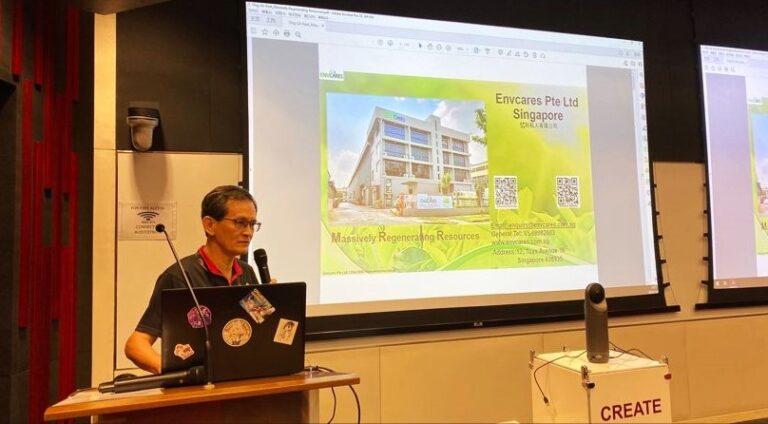
The session was lively, thanks to John S. Hamalian’s wonderful presentation style and the enthusiastic audience participation. Well done to Anne Langourieux and The Matcha Initiative for organizing the session. (Will organize a visit to my plant.)
Following article by James Yin, MSID-AD
V-Plus Agritech | LKYSPP Fellow | SMU Affiliate Faculty | SID Accredited Director
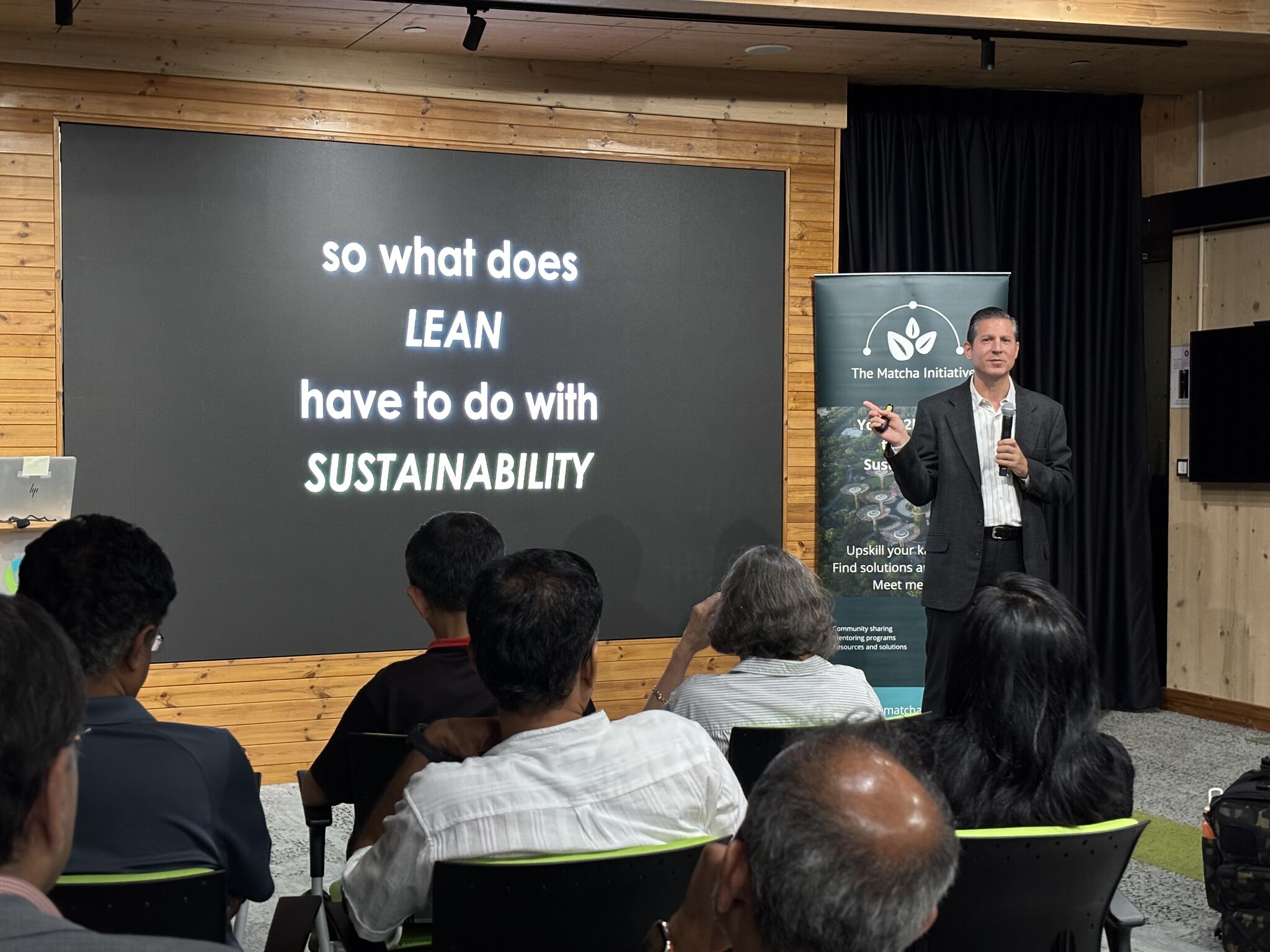
What has LEAN got to do with SUSTAINABILITY?
Tbh, I’ve not heard about this previously. According to Wikipedia:
“Lean thinking is a business management framework made up of a philosophy, practices and principles which aim to help practitioners improve efficiency and the quality of work. Lean thinking encourages whole organisation participation. The goal is to organise human activities to deliver more benefits to society and value to individuals while eliminating waste.”
Hold on….
Doesn’t that coincide with the sustainability concept of triple bottom line—People, Planet and Profit?
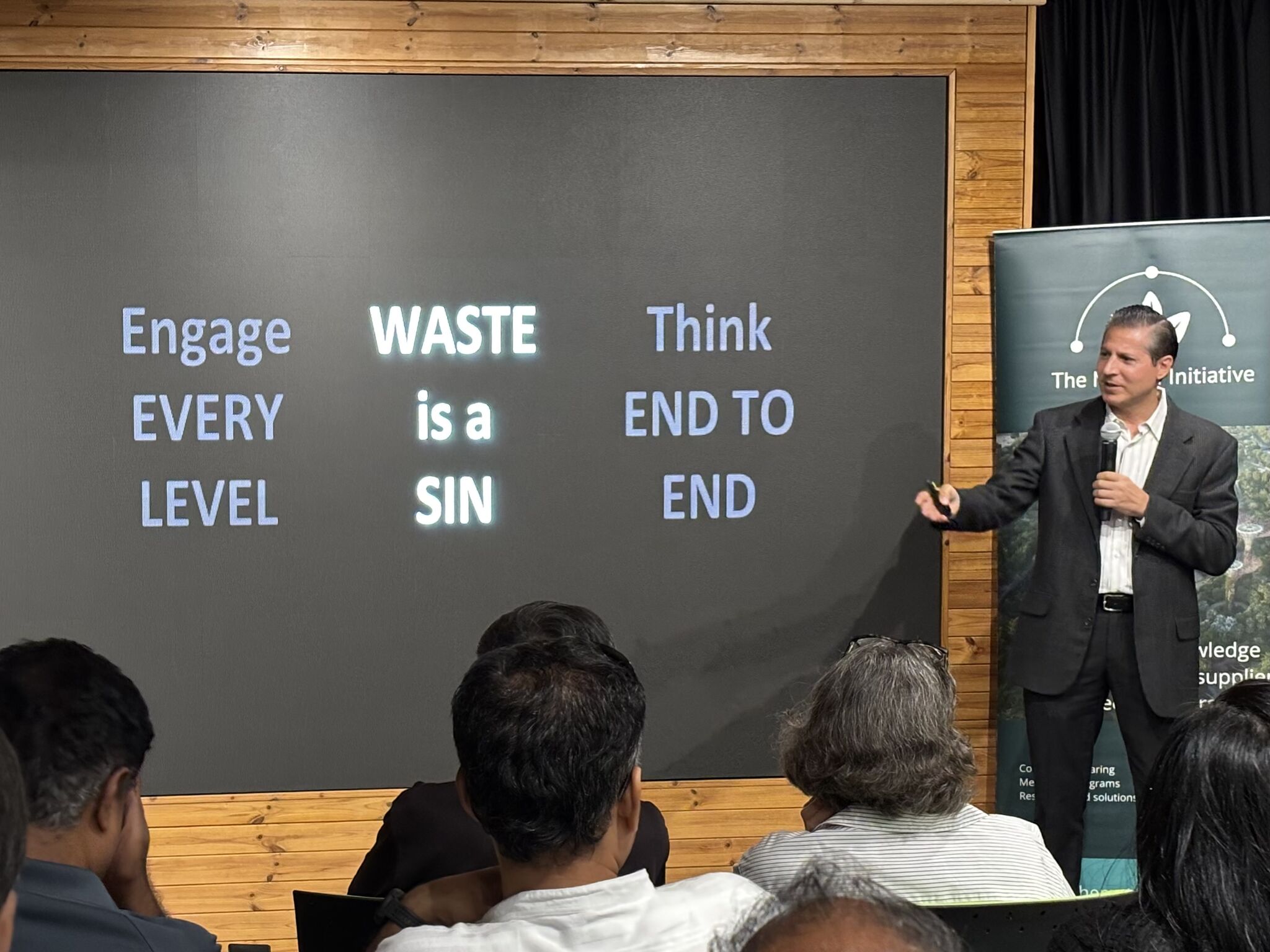
At this event organized by The Matcha Initiative , I had the privilege of listening to lean expert John S. Hamalian (we made plans to meet months ago but life happened 😅) break it down for us:
👬🧑🤝🧑👭 Engage Every Level>
benefiting a broader definition of ‘stakeholders’ instead of just shareholders
🚯Waste is a Sin 🙈>
think Avoid, Reduce, Reuse, Repair, Refurbish, Recycle, Waste to Resource etc. Lowering business costs.
🔂Think End-to-End>
Life cycle assessment. Designing products & processes for circularity. Sustainable supply chains. Scope 3 reduction
How interesting that a system developed by Toyota primarily intended for improving organizational efficiency, continuous improvement, and fostering a culture of respect has relevant applications for the green economy.
💡So what are the implications for businesses?
👉CHALLENGE your mindset🤯 :
🛑 STOP thinking of sustainability as a compliance burden separate from your core business.
🏁 START thinking of it as an integral part of your business strategy to lower costs, create value & stimulate growth.
Don’t leave sustainability as an afterthought ‼️
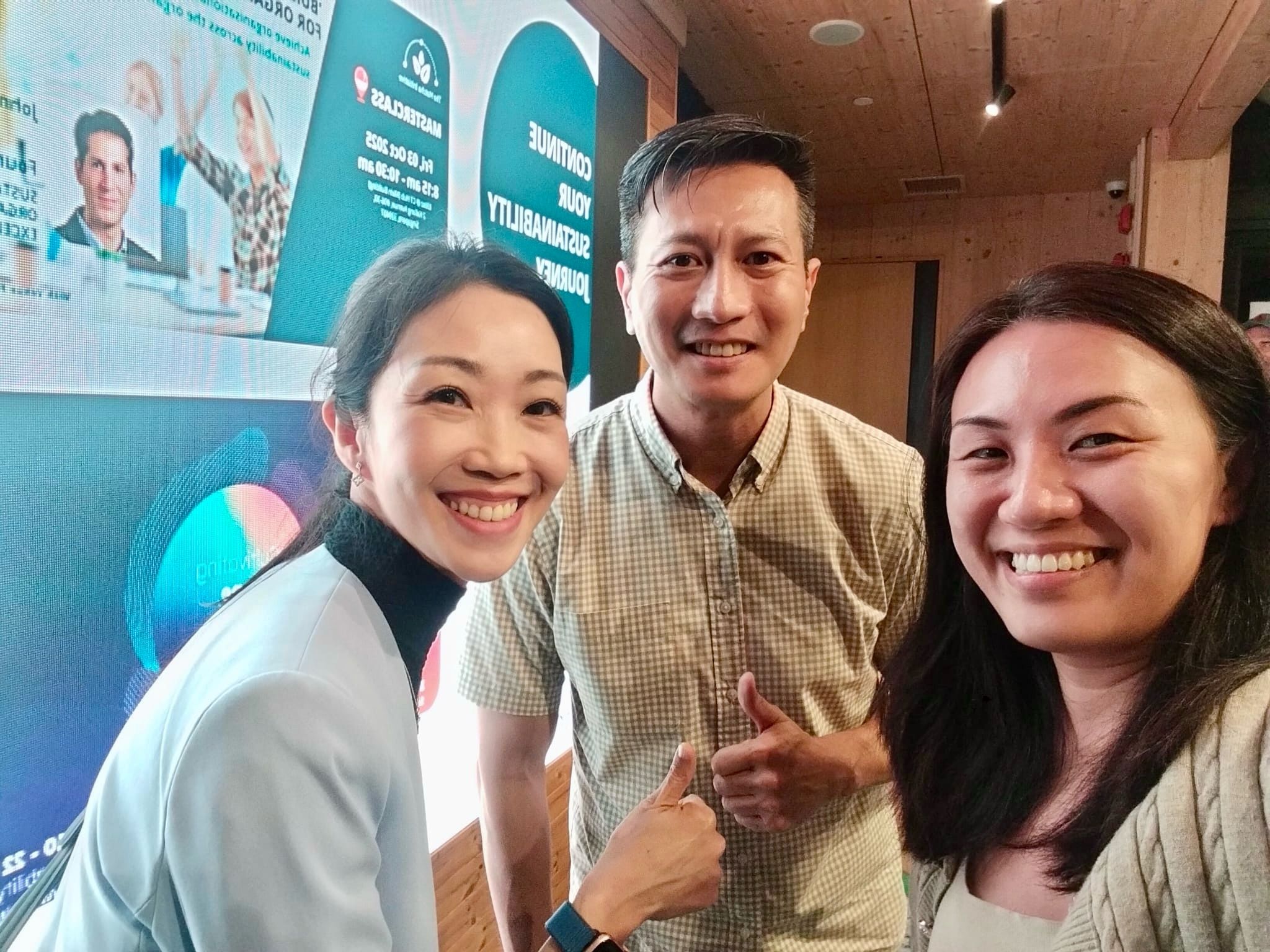
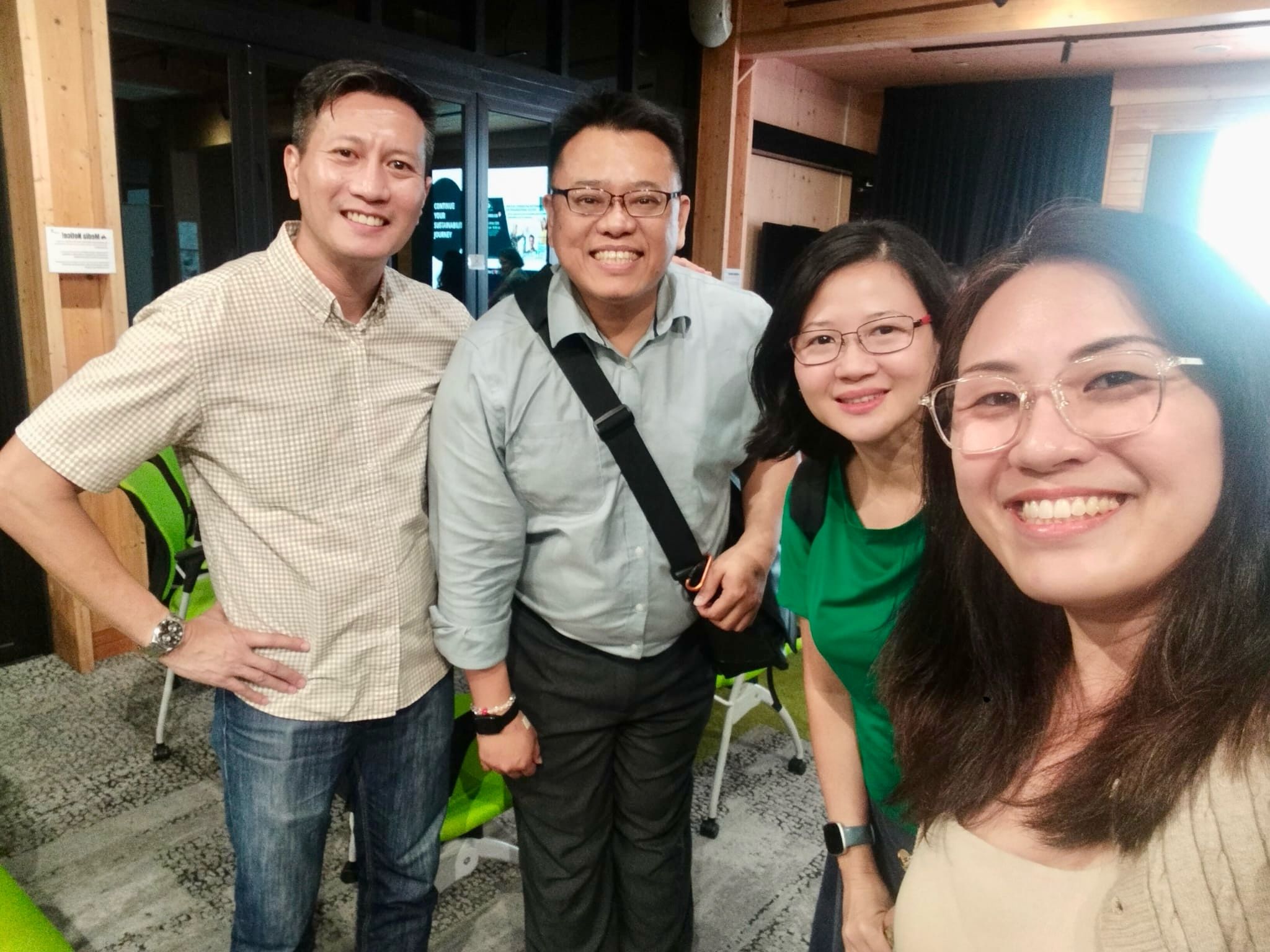
Glad to connect with waste management guru Gin Keat Ong , lean practitioner Dr. Tracy Xie who shared powerful insights at the event & consultant Evangeline Goh.
Always a joy to meet my sustainability students Leslie Leow, ASA (Aust.) (SMU SCTP batch 4, he has since started two sustainability-related businesses! 🤩) and Aurora Kuang (SMU SCTP batch 9) who is interning at Grant Thornton 💪