
Massively Regenerating Resources –Future-Proofing Resources
Large scale valorization of waste materials into nutrient rich compost and value-added products, creating multi-stream incomes pursuing circular economy principles.
Human economic, industrial and social activities involve energy, extraction, supply and use of various types of resources and processes with different types of output for commercial purposes. Processing results in higher value materials and byproducts but reducing our natural capital.
Every stage, from materials sourcing, mining and farming together with associated activities such as logistics, packing, storage, etc., down to the household level, inevitably results in some form of waste.
‘Waste’, until recent times, is seen as materials that need to be removed and disposed of at the lowest cost possible by manufacturers and users. Lowest cost often meant open dumping or burning, especially where policies, social structures, norms and enforcement efforts are weak.
Singapore has by necessity evolved quickly to manage its waste, firstly with landfills that have been long closed and even turned into parks and recreational zones. Efforts to reduce industrial, commercial and consumer waste have become even more essential.
The construction of Semakau Landfill began in 1995 with operations starting five years later on 1 April 1999. At our current rate of waste generation, Semakau Landfill is expected to be filled by 2035.
Organic Fertilizer – Optimizing the Composting of Various Waste Streams
Composting is a solid waste management alternative that avoids the emission of methane associated with organic materials in landfill and reduces or eliminates the need for chemical fertilisers where compost is applied.
Scaling up
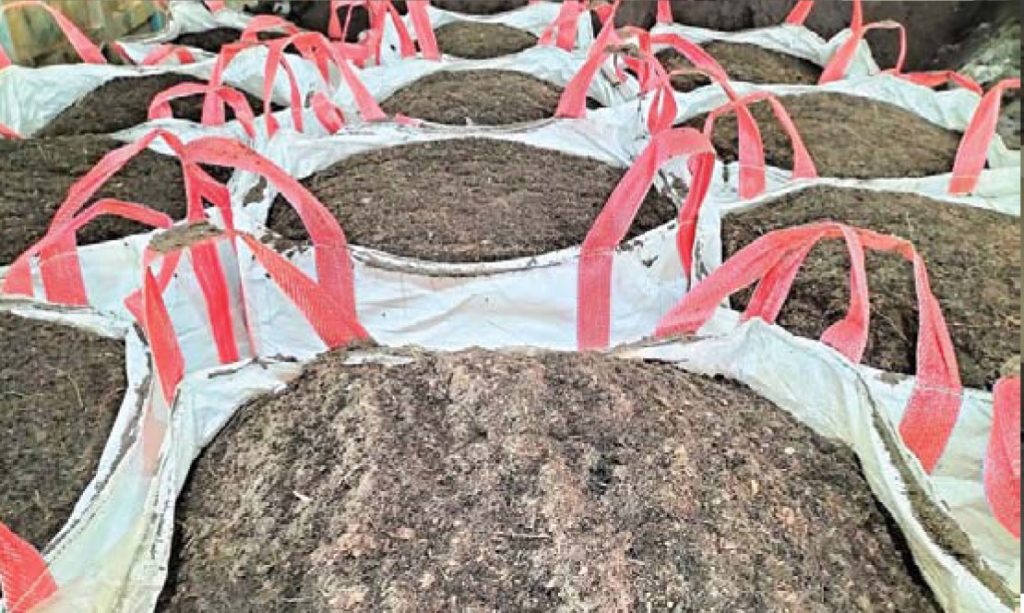
Envcares Pte Ltd, in partnership with Farm 85 Trading, a vegetable farm operator, optimized its production of compost from local organic matters (horticulture and natural green waste) and developed a much better-quality compost using waste streams such as biomass ash, vegetable wastes, okara, wood shavings, sawdust, crushed eggshells, various expired organic powders including milk and malts, etc.
Such input materials are high in nutrient values and provide suitable substrates for useful bacteria and molds to anchor themselves, quickly breaking down organic components into nutrient-rich materials. The aerobic thermophilic process turns organic waste materials into compost within two to three weeks.
Going Up the Waste Value Chain
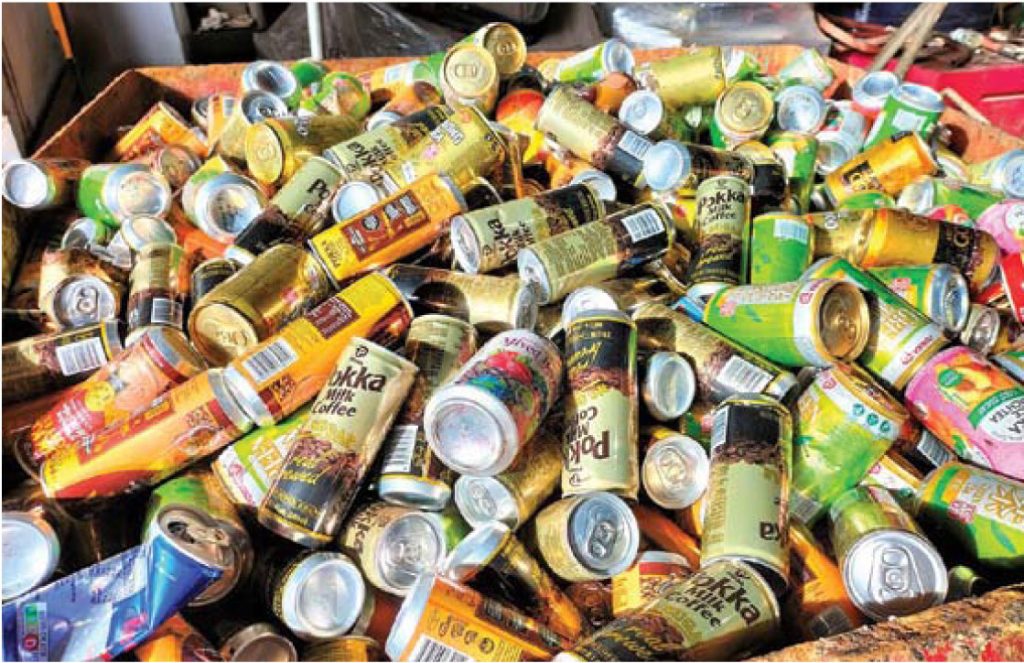
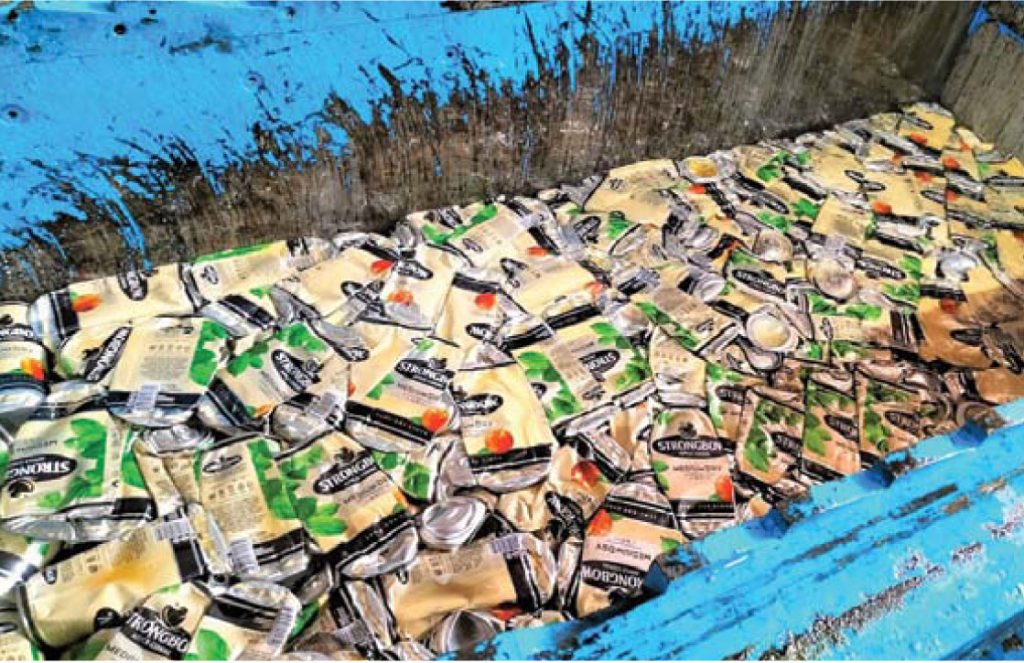
Progressing up the value chain, Envcares now collects a large variety of organic and inorganic wastes from the food and beverage industries, including from food producers and warehousers where high-quality standards must be met for human consumption.
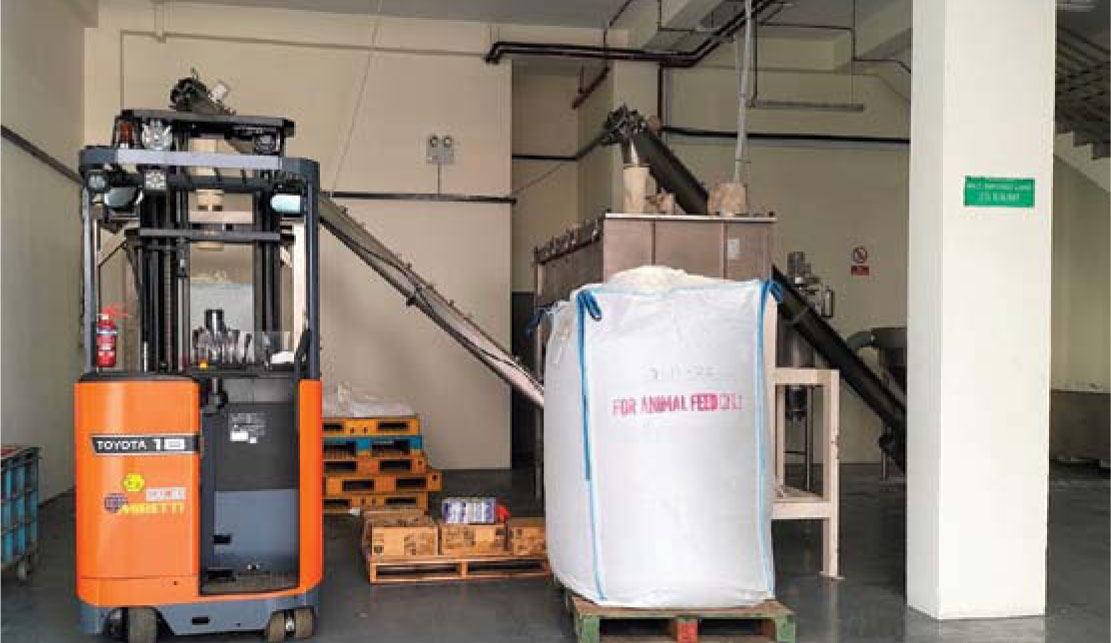
In order to take in different grades of organic waste stream, Envcares has also developed capabilities in powder blending, including a designated room for the blending of powders that have higher flammability and explosive characteristics, especially when in fine dust form.
Compliance includes adherence to expiry or use-by dates. Some of these bulk organic materials include:
- Milk and assorted malt powders
- Liquids including syrups, soft drinks, alcoholic beverages
Inorganic materials and forms are varied, including:
- Used copper slag
- General industrial and commercial wastes
- Cardboard and papers
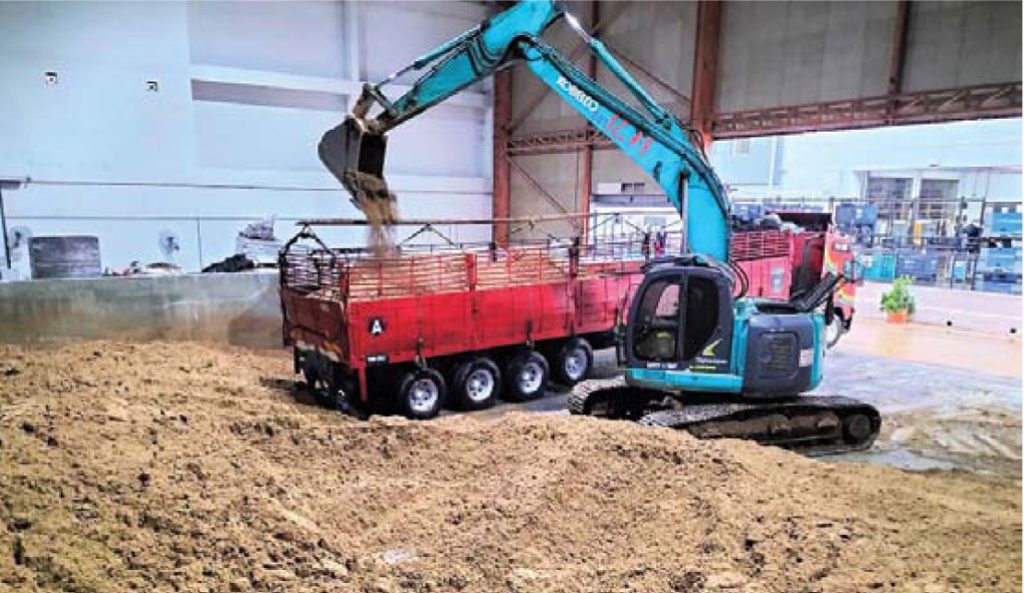
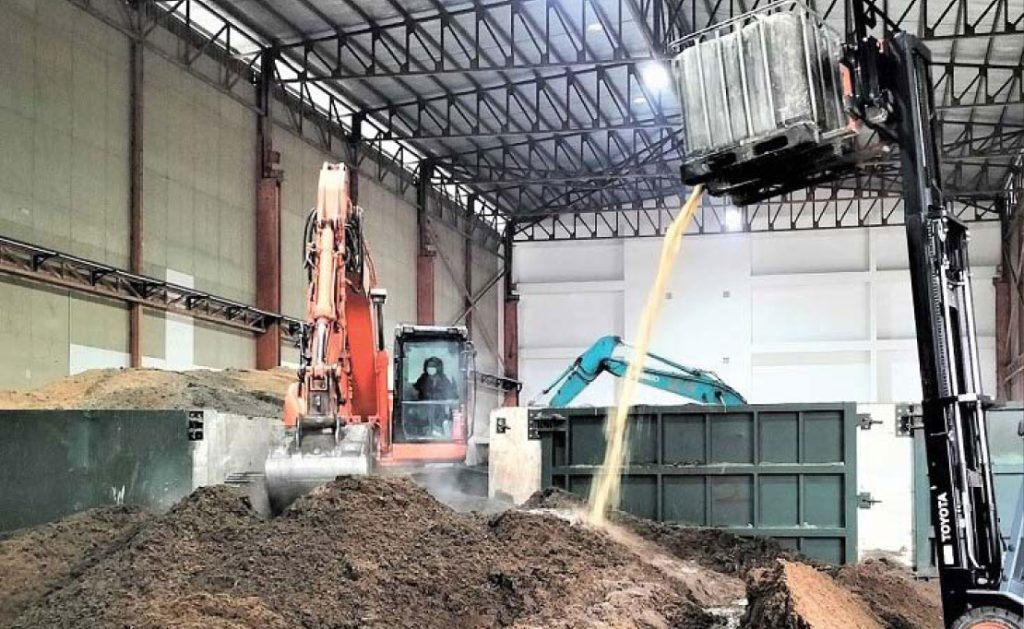
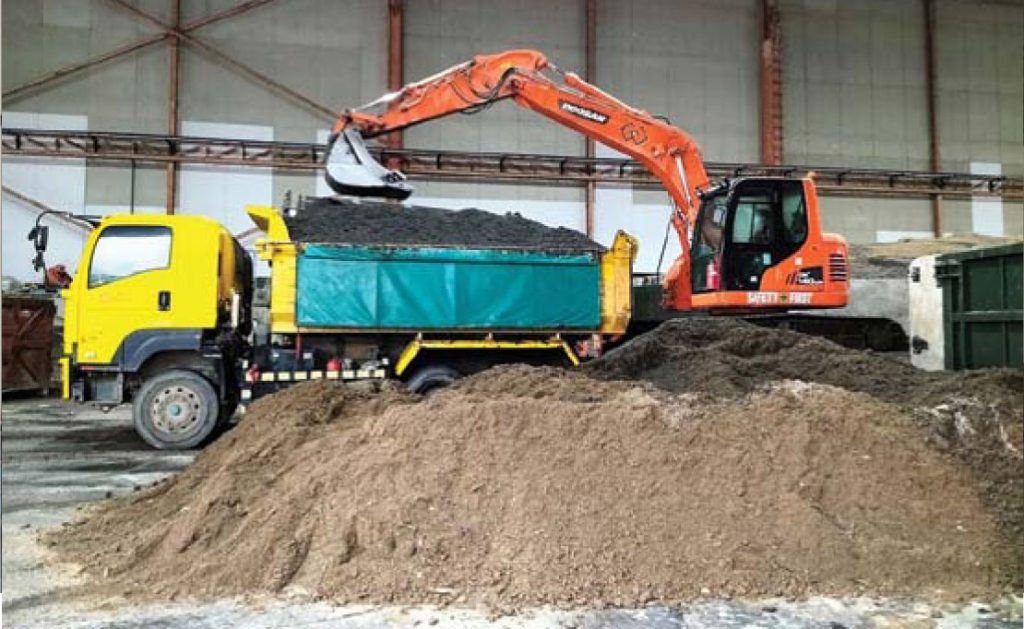
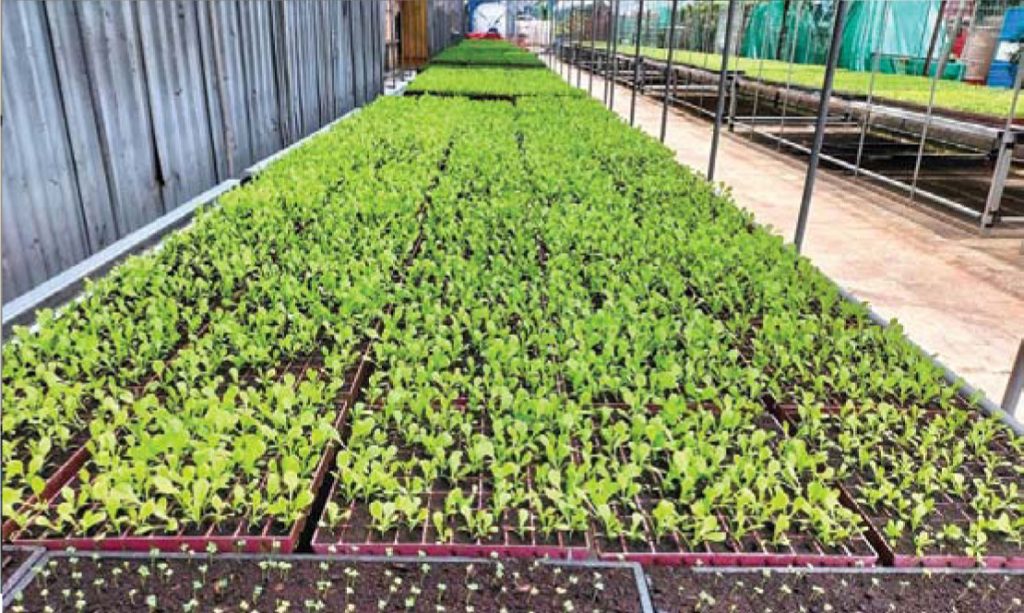
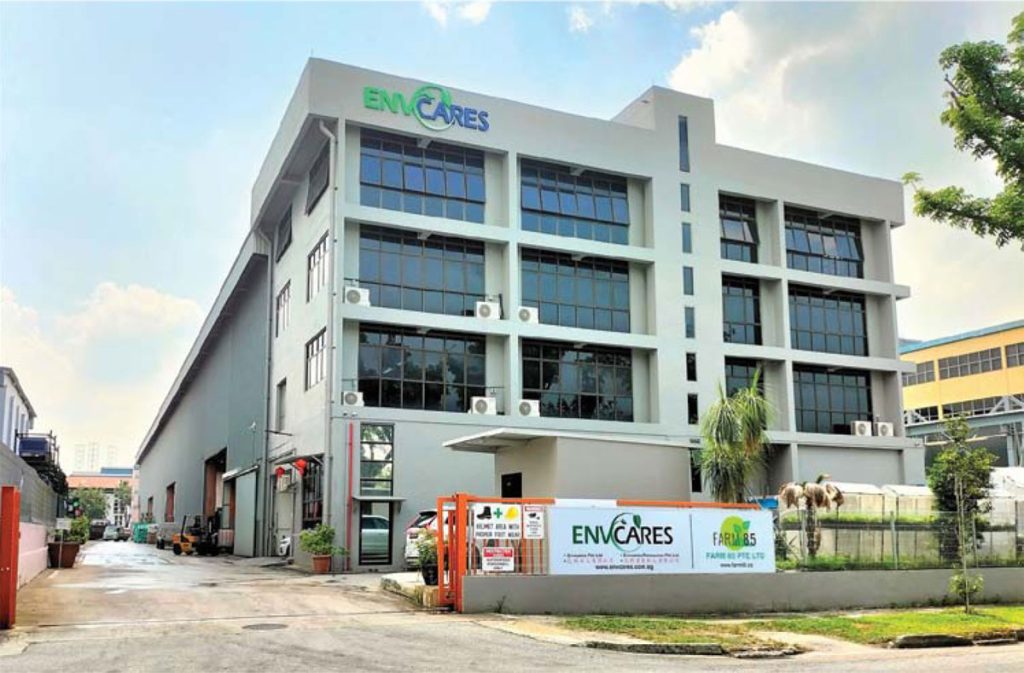
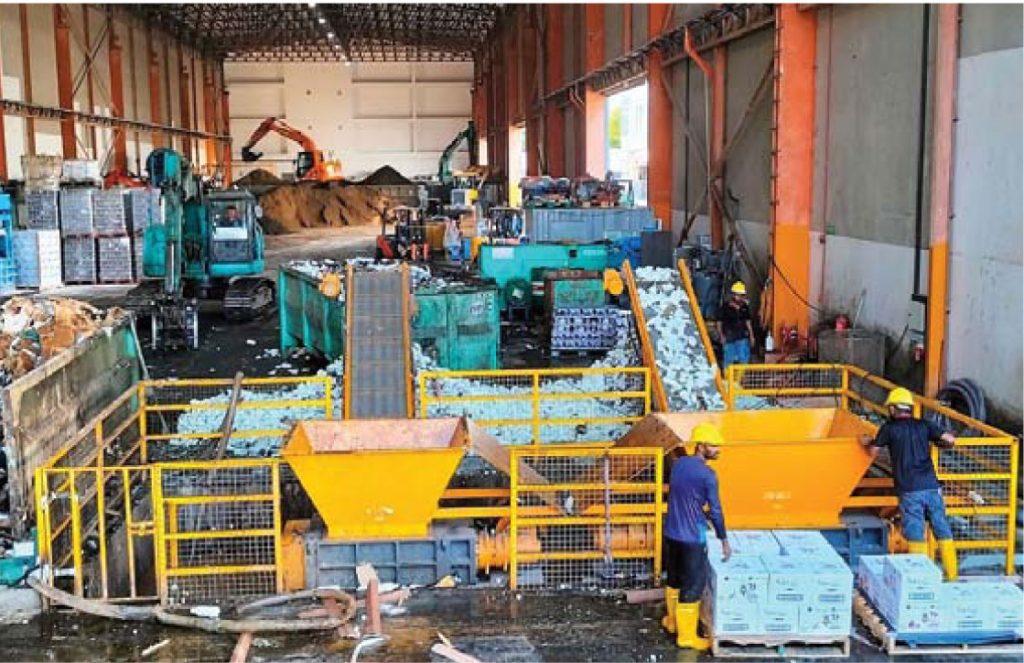
All activities are now undertaken at its 8,000m² facility in Tuas, which has a design intake capacity of 450 tonnes per day, thereby providing all-round capabilities in off-taking large volumes of ‘unwanted’ materials. The continuous development of such in-house practices creates new business opportunities as Envcares works towards Zero Waste and the Circular Economy. Additionally, Envcares activities enable its clients to effectively travel their own zero waste journeys.
Waste but Not Wasted
For both liquid and solid materials, much of these materials for disposal are trucked in on wooden or plastic pallets, jumbo bags, or intermediate bulk containers. These items are usually on a one-way trip, including being disposed. However, Envcares further recycles such materials for resale and reuse, taking circularity to higher levels for itself and clients.
Even as such organic and inorganic ‘waste’ materials are being recycled, Envcares is looking towards valorizing such materials into higher-value goods, including:
- Organic phytonutrients to meet the needs of organic farming in Singapore
- Developing various forms of feeds for animals
Envcares is working towards a virtuous cycle of circularity and, with suitable partners, catalysing systemic change in waste management practices. Envcares’ solid operational experiences in sourcing, logistics and materials handling create a huge pool of resources (not wastes) which will be the basis of transforming its business model to higher value-added ventures. Sustainability is not a buzzword; it is very doable and an absolute necessity.
Source: https://www.nea.gov.sg/envision-magazine/issue21/index.html#p=77